
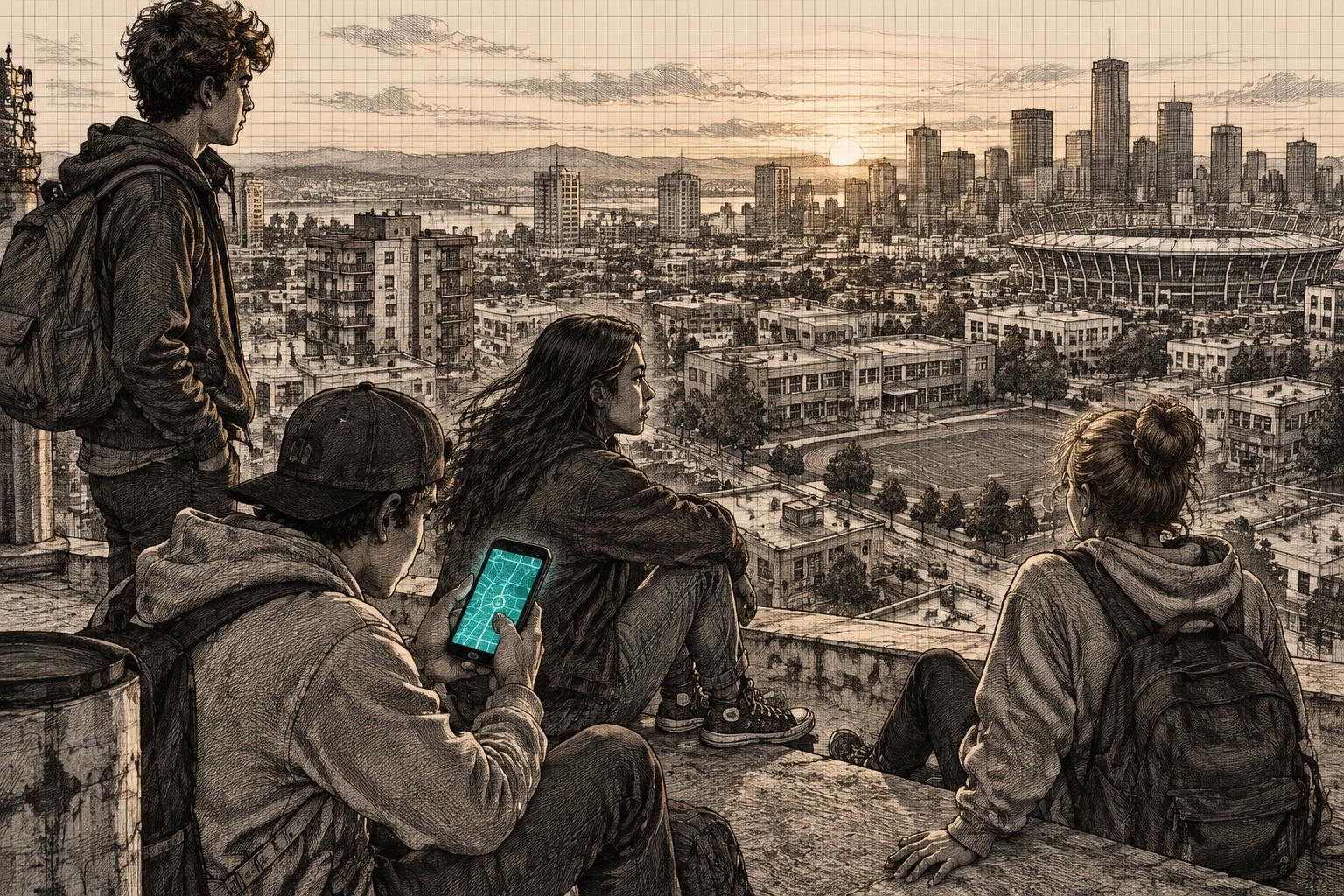
When I was a teenager, nobody really taught me how life worked. Not taxes, not rent, not what a credit score does, not why your first job matters for your second one. I figured most of it out by messing it up. RamQuest is my attempt to let teenagers make those mistakes somewhere safer: inside a game.
RamQuest is a life simulation game for teens, built in Unreal Engine 5. You start as a young person in a modern city. You go to school, pick up jobs, rent your first place, manage money, build relationships and make choices that actually ripple forward. It started as part of the RamIQ idea and it's grown into its own project.
Why a game and not a course
I've seen a lot of financial literacy and life skills material aimed at teens. Most of it is a slideshow with a quiz at the end. It's well-meaning, and almost nobody remembers it a week later.
Games are different. When you lose something you worked for in a game, you feel it. When a choice you made three in-game months ago suddenly pays off, you remember why. That feeling, cause and effect over time, is exactly what real life is about and exactly what a lecture can't give you.
So the goal isn't to "gamify" a lesson. It's to build a genuinely fun game where the lessons happen because the world works the way the real one does.
Designing the city
Everything in RamQuest starts with the map. The city has neighborhoods with different rents, a high school, a bank, a job center, shops, offices, parks and transit. Where you live affects how long your commute is. Your commute affects which jobs make sense. Your job affects what you can afford. It's all connected on purpose.
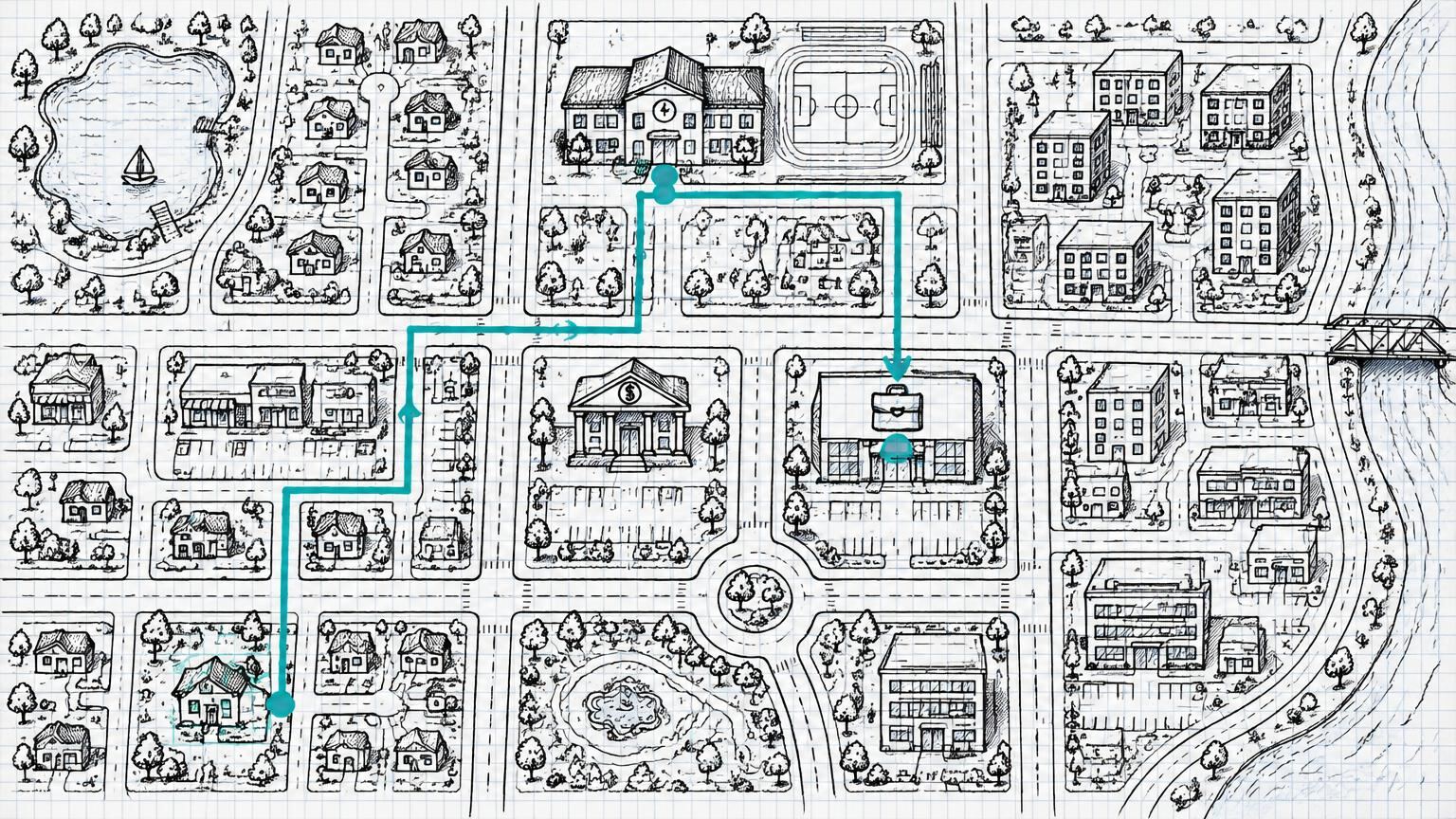
I drew the first versions of the city on graph paper, honestly not that different from this site. Before a single building existed in Unreal, I wanted to understand how a player would move through their week and what choices they'd be weighing.
Who it's for
RamQuest is for teenagers, roughly high school age. That shaped a lot of decisions.
- ✦It looks real, not cartoonish. Teens don't want to feel talked down to. The city is stylized but believable, with real-looking apartments, offices and streets.
- ✦Choices have weight, but failure isn't the end. You can go broke. You can lose a job. But you can always recover, and recovering is part of what you learn.
- ✦It's social. Friends, roommates, coworkers. A lot of real-life decisions are about other people, so the game needs them too.
- ✦No preaching. The game never stops to tell you what the right answer is. It just shows you what happens.
Why Unreal Engine 5
I could have built a simpler version in a lighter engine. I chose Unreal Engine 5 because I wanted the city to feel alive in a way that pulls you in. Lighting at golden hour, busy streets, a skyline you actually want to explore. When a world feels real, players treat their choices as real.
Unreal also gives me great tools for building big environments, and its Blueprint system lets me prototype gameplay quickly before writing heavier code. As someone coming from web and SaaS, it's been a big learning curve, and also one of the most fun stretches of my career.
The systems underneath
Under the pretty city, RamQuest is a lot of systems talking to each other, which is where my background actually helps.
- ✦Time. A calendar that moves days, weeks and months, with rent due, paychecks landing and classes happening.
- ✦Money. Income, expenses, savings, simple credit and debt, all tracked like a real budget.
- ✦Careers. Jobs with requirements, schedules and promotions. Education unlocks better options.
- ✦Reputation and relationships. How reliable you are affects who hires you and who trusts you.
- ✦Events. Surprises, good and bad, that test whether you've built a cushion.
Designing these feels a lot like designing a SaaS product. Clear rules, data that has to stay consistent and edge cases everywhere. Turns out years of building business software is surprisingly good practice for building a life simulator.
Playtesting with real teens
The most useful thing I've done so far is watch teenagers play early builds. They do things I'd never predict. They'll ignore the job I thought was obvious and spend an hour customizing their apartment. They'll find the cheapest neighborhood immediately and then complain about the commute, which is exactly the lesson.
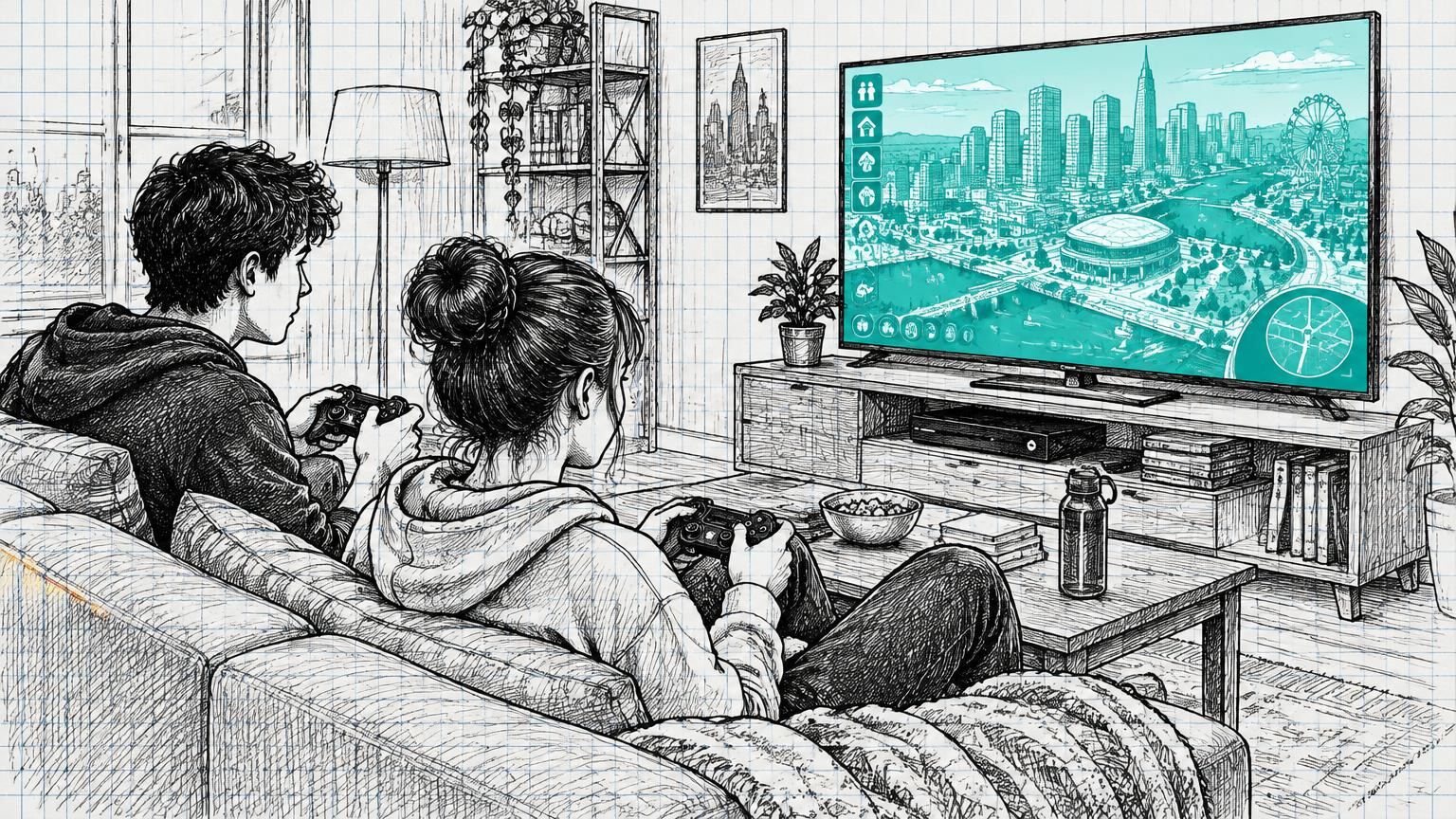
Every session changes something. Menus get simpler, goals get clearer, and the boring parts get cut fast.
What's hard
Balancing is the big one. If money is too easy, nothing matters. If it's too hard, it stops being fun and starts feeling like homework. Getting that middle feeling, challenging but fair, takes endless tuning.
Scope is the other. A "life simulator" could include literally everything. I have to keep asking: does this make the game more fun and more meaningful, or is it just more stuff? Most ideas don't make the cut, and that's healthy.
Where it's at
RamQuest is in development. I'm building it alongside my other work, using the same habits from Kordspace: small steps, real feedback and honest progress. You can follow along at ramquest.io. I won't promise dates I can't keep, but I'll share real updates here as it grows.
What I hope players walk away with
I don't want anyone to finish RamQuest with a list of memorized rules. I want them to have instincts. The instinct that a cheap apartment far from work might cost more in the end. The instinct to keep a little money aside because surprises happen. The instinct that showing up on time, again and again, quietly opens doors.
Those are things I wish I'd felt earlier. When I moved from Calgary to Portland and later to Colorado, I had to learn a lot of this on my own, often after a mistake had already cost me something. If a game can give a teenager even part of that understanding before the real stakes arrive, that's worth years of work.
I also want it to be just plain fun. Hanging out with friends in-game, decorating your first place, finally landing the job you wanted. The lessons work best when they're wrapped in moments people actually enjoy.
Small details that matter
Some of my favorite moments in development are tiny. The rent reminder that shows up a few days early so you can plan. The bus that runs a little late on rainy days. The coworker who remembers you covered their shift. None of these are big features, but together they make the city feel like it notices you, and that makes your choices feel like they count.
The takeaway
The best way to learn how life works is to live it. The second best might be a really good game.
I want teenagers to finish a session of RamQuest feeling like they understand a little more about how the world works, and wanting to come back tomorrow. If I can pull off both, it'll be one of the things I'm proudest of.