
§ stack — parts list
The toolbox.
Six drawers of tools, what I use each one for, and where you can see it in my work.
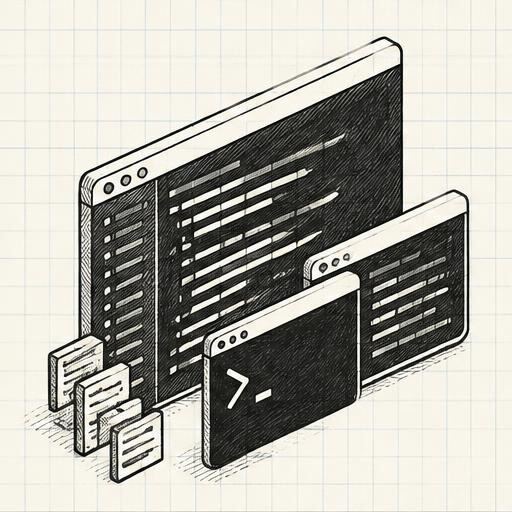
PART A-1 · FIG. 1
Languages
What I reach for first. Typed where it matters, fast where it counts.
Go
since 2019Services that need to be small, fast and boring.
Python
since 2017ML, data pipelines and quick automation.
Solidity
since 2021Smart contracts and Web3 experiments.
SQL
since 2011Still the best language for asking data questions.
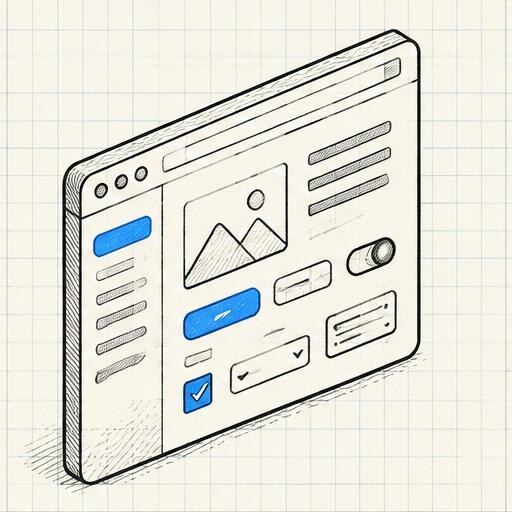
PART A-2 · FIG. 2
Frontend
Interfaces that load fast, read clearly and don't fight the user.
React
since 2016The base for nearly every interface I build.
TanStack
Router, Query and Start for full-stack apps — including this site.
Shopify Polaris
Embedded Shopify apps and merchant tools.
Tailwind
Design tokens and fast, consistent styling.
Framer Motion
Animation, like every drawing on this page.
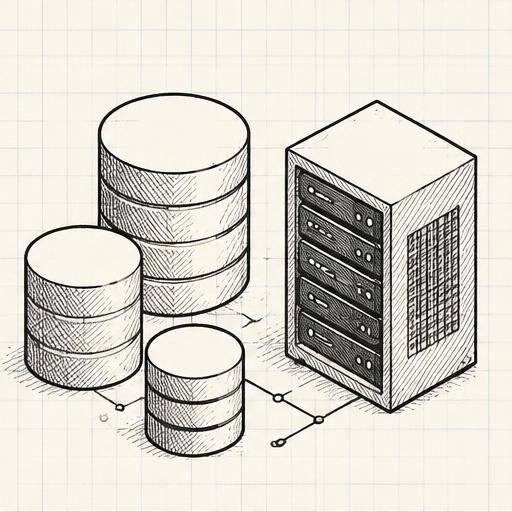
PART B-1 · FIG. 3
Backend & data
Where business rules meet storage. Multi-tenant by default.
Node.js
since 2014APIs, workers and integrations.
PostgreSQL
My default database, with row-level security for tenants.
MongoDB Atlas
Document-heavy products and fast prototypes.
Redis
Queues, caching and rate limits.
Firebase
Realtime apps and mobile backends.
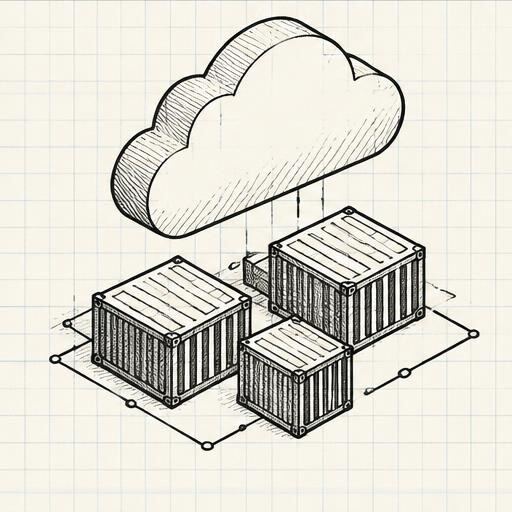
PART B-2 · FIG. 4
Cloud & ops
Infrastructure that is cheap to run and easy to hand off.
GCP / GKE
Kubernetes workloads and managed data services.
Azure
Enterprise clients and identity-heavy setups.
Docker
Everything ships in a container.
CI/CD
Automated tests and deploys — 150+ projects and counting.
Linux
Home turf since the teenage years.
VoIP
Phone systems for a national freight network.
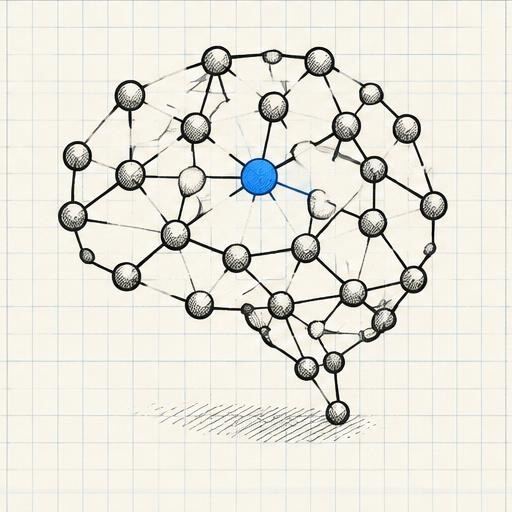
PART C-1 · FIG. 5
AI & ML
From audio classifiers in 2019 to agent systems today.
TensorFlow
Model training for classification work.
Keras
Fast model prototyping.
Librosa
Audio feature extraction for music ML.
Dialogflow
Early conversational agents, pre-LLM.
LLM tooling
Retrieval, tools, evals and guardrails.
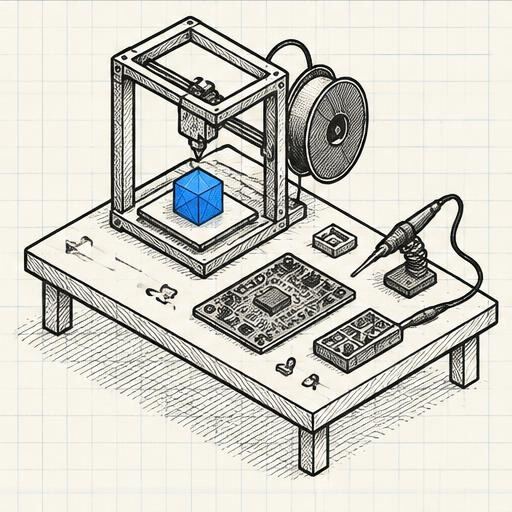
PART C-2 · FIG. 6
Design & making
Pixels, polygons and solder. Building things with my hands keeps the software honest.
Figma
Wireframes, design systems and prototypes.
AutoCAD
Technical drawings and layouts.
Raspberry Pi & Arduino
IoT prototypes and dispatch hardware.
3D printing
Enclosures, mounts and the occasional toy.