
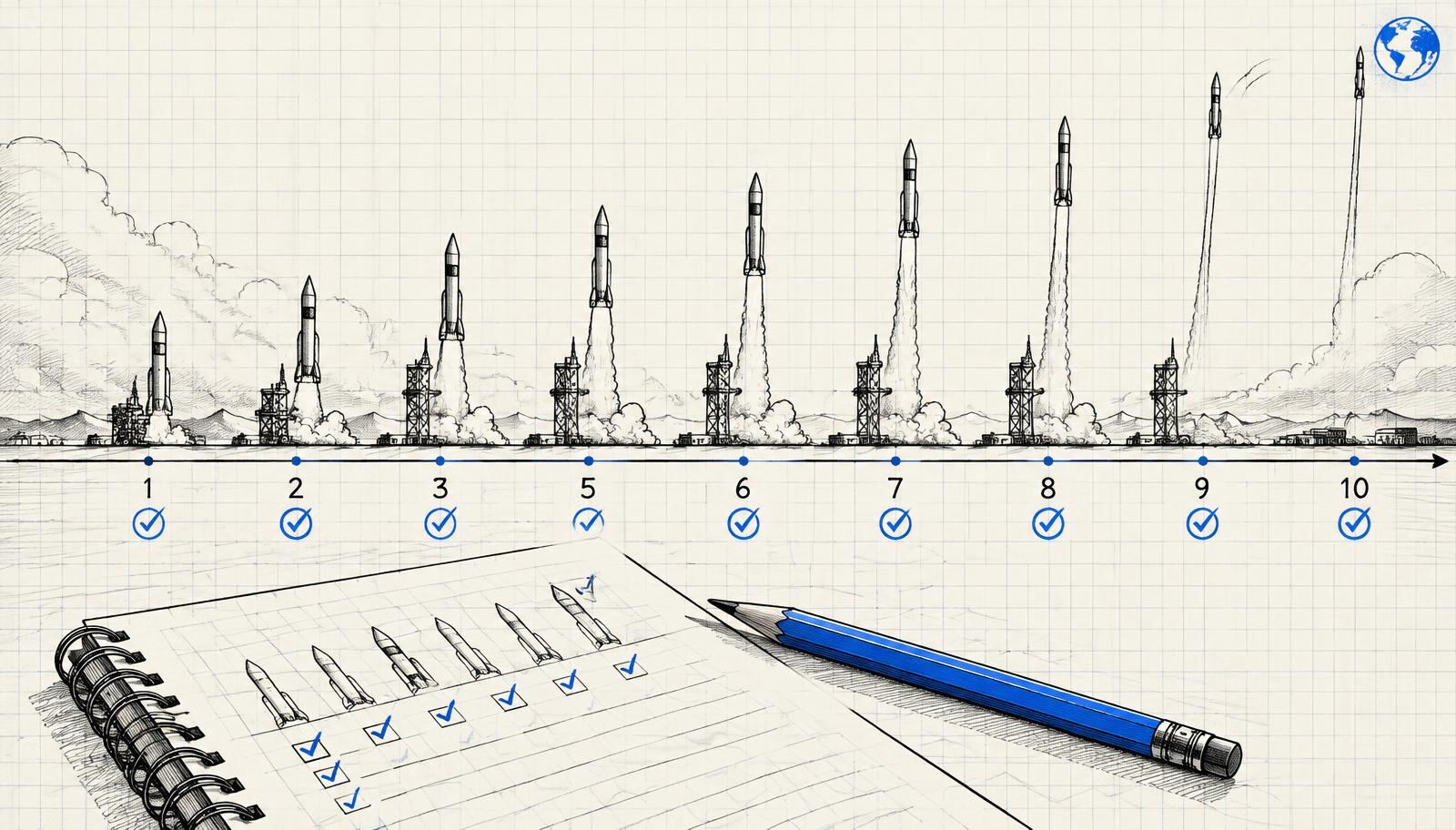
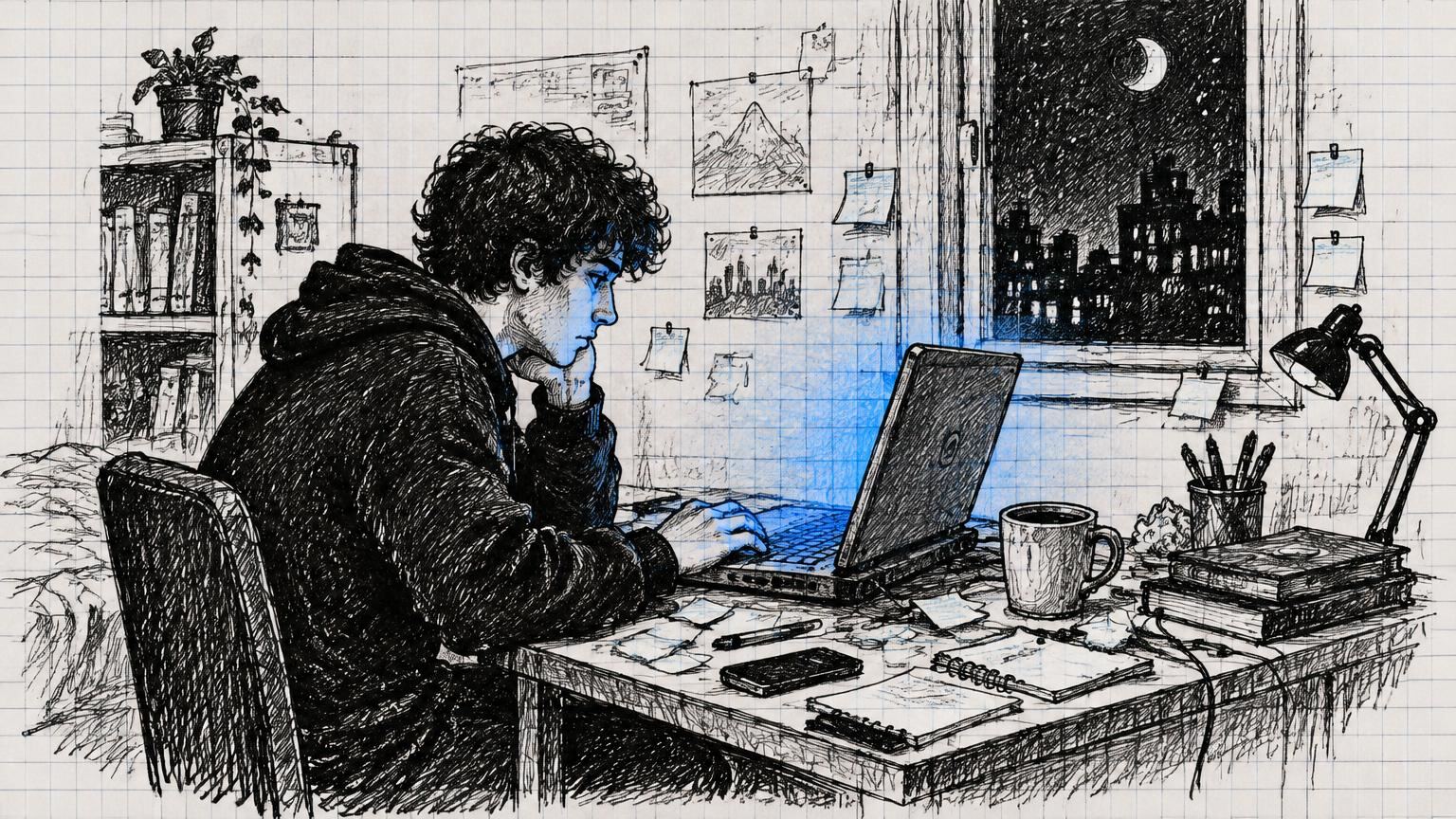
I didn't start Kordspace with a business plan. I started it with a laptop, a lot of late nights and a feeling that I could build things people actually needed if somebody would just let me try. That was 2013. The name came a year later, in 2014, and by then it had already stopped being a side thing.
Since then I've worked on more than 150 projects through Kordspace. Some were tiny landing pages that took a weekend. Some were full platforms that took years and are still running. A few failed, a few surprised me, and most of them taught me something I wish I'd known earlier. This post is the honest version of what ten-plus years of that looks like from the inside.
Where it actually started
I moved to the US in 2010 and finished high school at Camas in 2011. I wasn't a straight-A kid. I had a 3.1 GPA and spent more time teaching myself HTML, CSS, JavaScript and PHP than I did on homework. W3Schools was my real school for a while. I earned their certificates one by one, mostly because I wanted proof to myself that I wasn't just copying code, I understood it.
What I did understand early was that knowing how to code and knowing how to deliver are two different skills. You can write beautiful code and still ship nothing. The first couple of years were me learning that the hard way, building things for friends, small businesses and anyone who would trust a young developer with their website.
The name and the first real clients
Kordspace became Kordspace in 2014. I wanted a name that felt like a place, not a person, because I already knew I didn't want this to be "Marco does websites." I wanted a studio where good work happened, where other builders could plug in, and where a client could come back five years later and still find someone who remembered their project.
The first real clients weren't glamorous. They were businesses with a problem: an ordering process done over email, a spreadsheet that had grown into a monster, a website that nobody could update. Those projects taught me the most important lesson of my career so far. Nobody buys software. People buy a problem going away. If you understand the problem better than the client does, the software part gets a lot easier.
What 150+ projects teach you
When you've worked on that many projects, patterns start to show up. Here are the ones I keep coming back to.
- ✦Scope is the whole game. Most projects that go badly don't go badly because of code. They go badly because nobody agreed on what "done" means. I now spend more time on the first conversation than I used to spend on the first month of code.
- ✦Boring tech wins. I love new tools, but the platforms that are still running years later are almost always built on boring, well-understood foundations. Postgres, a clean API, good logging. Excitement belongs in the product, not the plumbing.
- ✦Write it down. Every decision that lives only in someone's head becomes a bug later. Documentation isn't extra work. It's the work that lets the next person, often future me, not break everything.
- ✦Clients remember how you made them feel. Not your stack. Not your commit history. Whether you answered when things broke and whether you told the truth when something was going to be late.
The logistics years and the AI years
Around 2018 a lot of my work moved into logistics. Load To Ride, Fulfilld, MyFBAPrep and others put me inside warehouses, trucking and fulfillment, worlds where a bug isn't an inconvenience, it's a pallet in the wrong state. That era made me much more careful. It's where I learned to love audit trails, idempotent jobs and dashboards that tell the truth.
Then in 2019 the early AI work started showing up: ARCQ, Fynda and a string of experiments that, honestly, were ahead of the tools available back then. A lot of what I tried in 2019 is easy today. But building it the hard way taught me how these systems actually behave, and that's still paying off.
Ventures, not just projects
At some point the work stopped being only client projects. In 2020 I founded SVRGE. In 2021 I joined Wurla as CTO, and I'm still there, still building, as its second-largest shareholder. And this year, 2026, Svive Ventures got started, where I'm the third-largest shareholder.
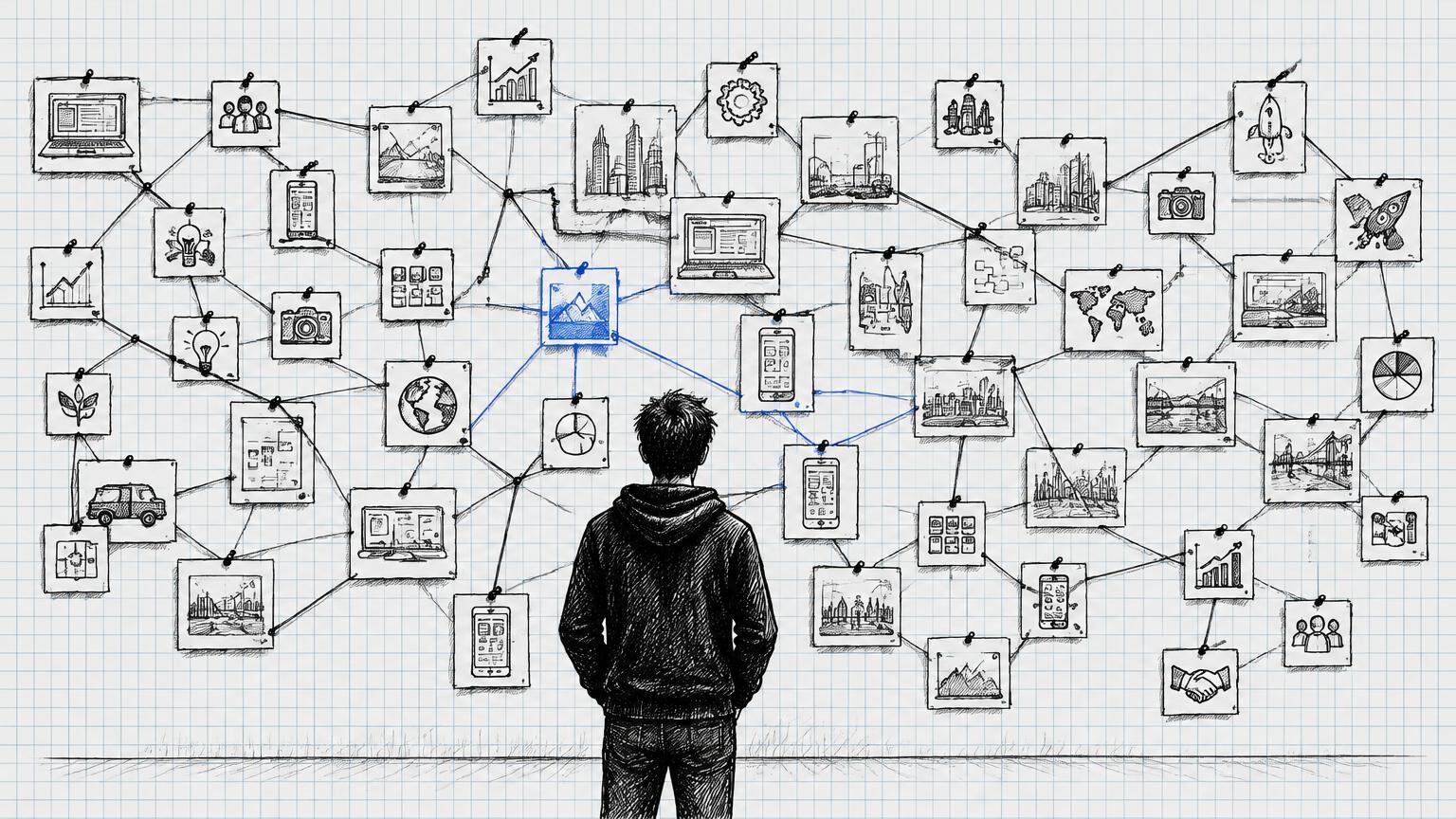
Kordspace is the thread that ties all of that together. It's where the habits came from. Every venture I've touched since has been shaped by what I learned shipping projects for other people. When you've had to explain a delay to a real client at 11pm, you build differently when it's your own company.
What I'd tell myself in 2013
If I could go back to that kid at the cluttered desk, I'd tell him a few things.
Ship smaller, sooner, and talk to the person you're building for every single week.
I'd tell him that saying no to the wrong project is as important as saying yes to the right one. That the client who wants everything for nothing will cost you more than they pay. That a good process feels slow for about two weeks and then makes everything faster forever.
I'd also tell him it's okay that the path isn't straight. Calgary, then Portland, then Colorado. Web design, then logistics, then AI, then games. From the outside it can look scattered. From the inside, it's one long education in how to turn messy problems into things that work.
What Kordspace looks like now
Today Kordspace is less "a guy who builds websites" and more a small studio with a clear way of working. Requests come in, we draft a real plan, we match the work to the right builders, and we ship something we're proud of. It's the same idea I had in 2014, just with more scars and a lot better tools.
I'm also using it as the launchpad for my own products: Karnelian, RamQuest and Fable Shrine are all being built with the same process that took a decade to get right. If you want to read about those, I've written separate posts on each.
The parts nobody sees
People tend to see the finished product: the launch, the clean homepage, the happy client. What they don't see is the hundred small decisions that got it there. The backup that saved a project when a server died. The extra hour spent naming things clearly so the next developer wasn't lost. The awkward call where I told a client their idea would cost three times what they hoped, and then helped them find a smaller version that actually worked.
Those invisible parts are most of the job. I've come to really enjoy them. There's a quiet pride in building something solid enough that nobody ever has to think about it again. Good infrastructure is a lot like good plumbing: you only notice it when it's bad.
It's also where most of my growth came from. Every project left behind a checklist, a template or a habit that made the next one smoother. After enough years, those add up to a way of working, and that way of working is what Kordspace really is.
The takeaway
Ten-plus years and 150+ projects in, the lesson isn't technical. It's that consistency beats brilliance. Showing up, communicating clearly and finishing what you start will outperform raw talent almost every time. I've worked with incredibly gifted engineers who never shipped, and with steady, honest ones who built things that are still running a decade later.
I'd rather be the second kind. Kordspace is my attempt to be that, every day, for every project. If you've got a problem that needs to go away, you know where to find me.